A documentary in three movements
Two Seattle neighbourhoods sit minutes apart with a 6.2 year life expectancy gap.
My producer Darrick Morrison and I travel from Temple Forest, where the film begins, to intentional communities and development projects, exploring what a neighbourhood can have access to and own independently to thrive, and how it scales.
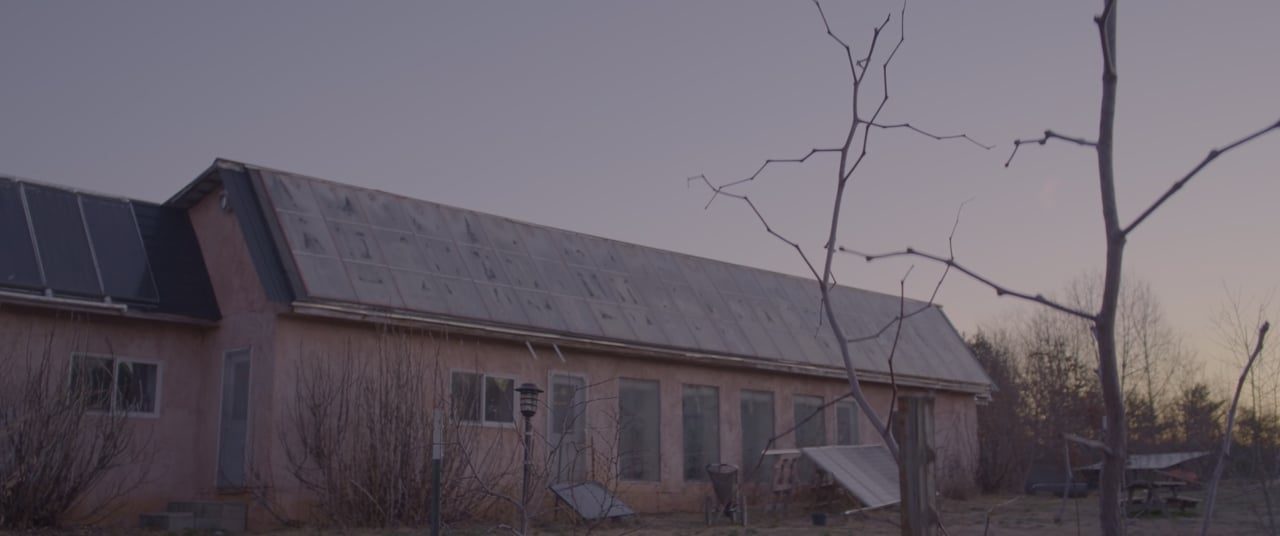
The draft cut
One question, at four places
What happens when a measure of how people live is given power over their lives, and who does the measure miss? The film holds that question at four places, each at a different stage.
A measure describes
DelridgeSeattle, Washington
78.2 and 84.4 years
Life expectancy at birth in the Delridge area, and in the rest of West Seattle a few minutes away. At 16 breaths a minute, the 6.2 years between them come to about 52 million breaths.
A measure runs things
Living Energy FarmLouisa County, Virginia
250 watts of panel per person
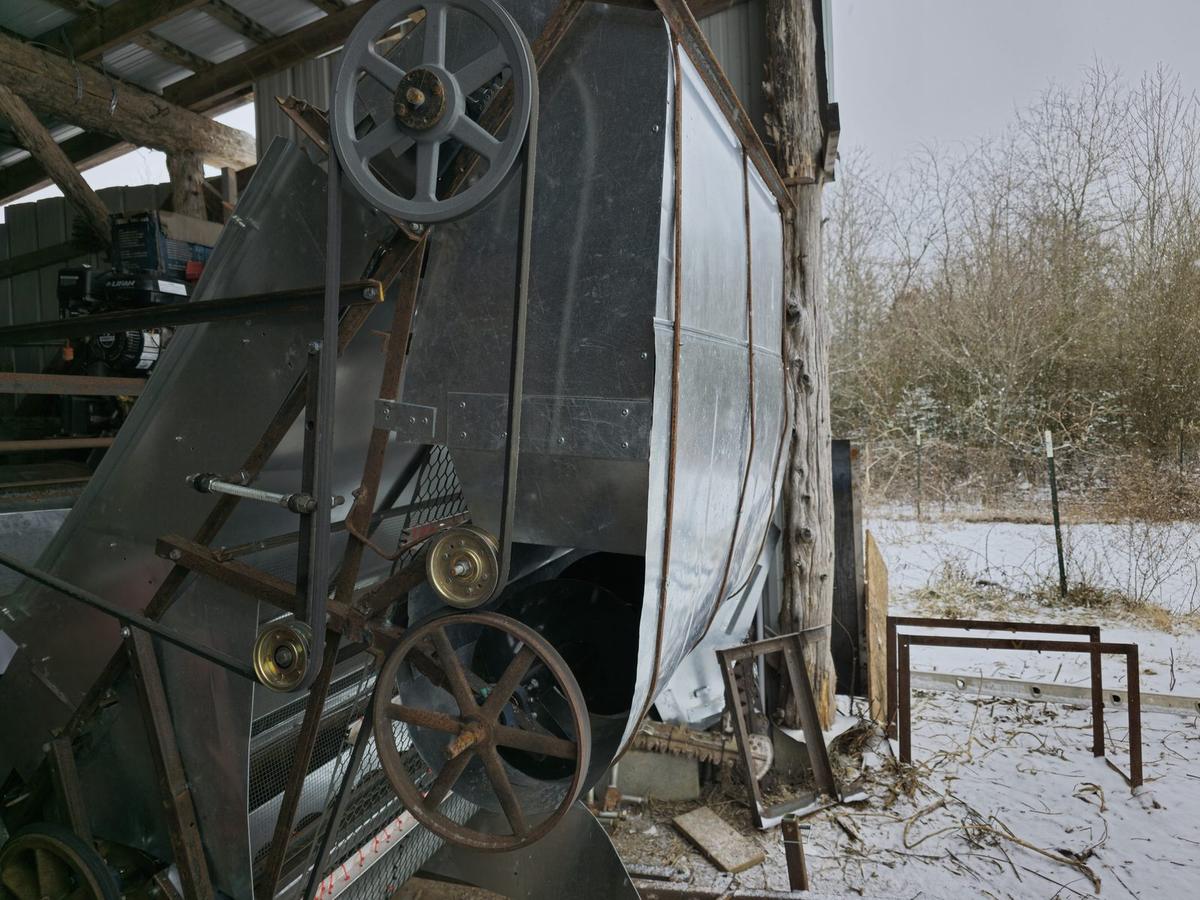
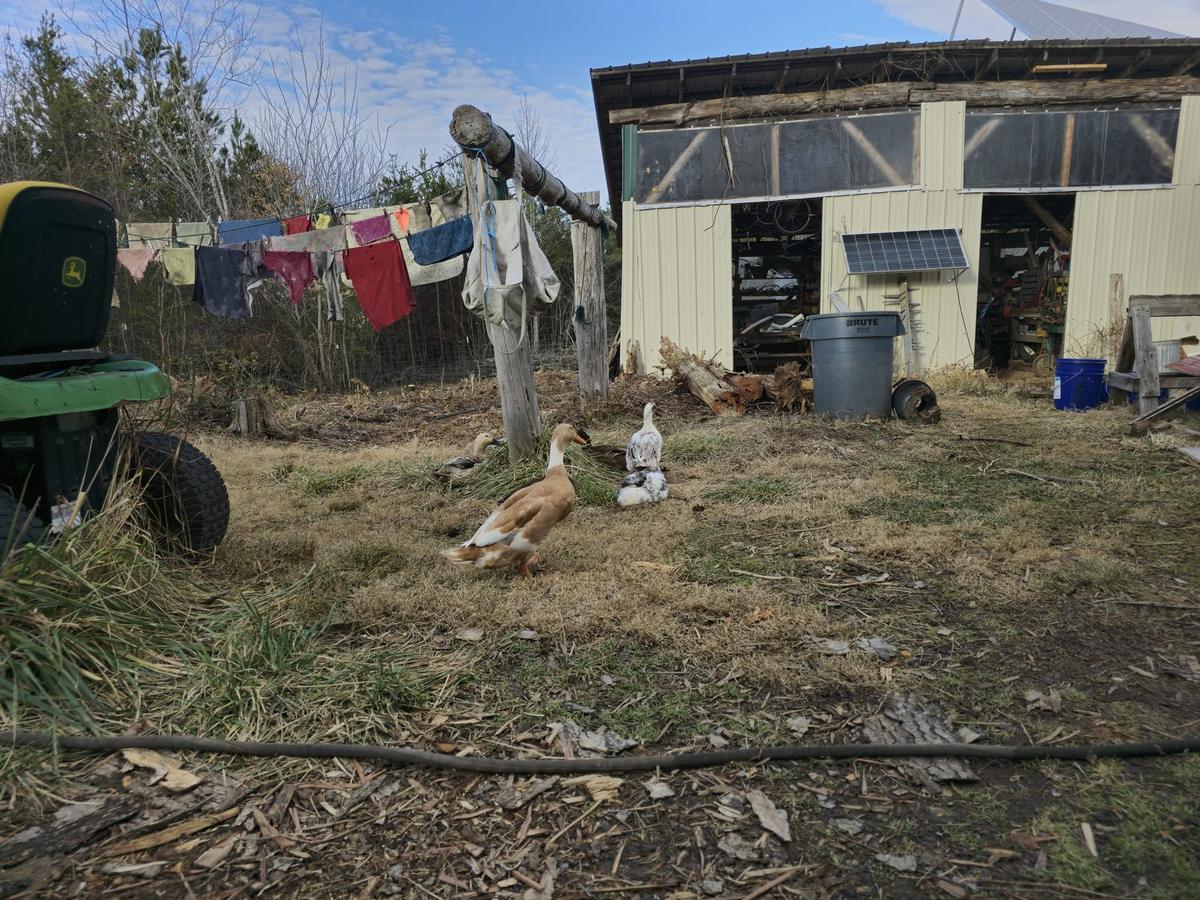
The farm’s own figure, with 200 watt-hours of battery each. Its machines are wired straight to the panels and run when the sun shines, and it stores heat, not electricity. The film shows the machinery and treats the farm’s claims about scale as claims to test.
A measure becomes the plan
Gelephu Mindfulness CityBhutan
About 4,000 km², a tenth of Bhutan
A city announced in December 2023 and chartered in 2024 as a self-governing zone with its own laws, planned around Bhutan’s idea of Gross National Happiness. Most of it is not yet built. The film asks what survives when a national measure of wellbeing becomes land, money and construction.
A measure goes to court
Los CedrosEcuador
Ruling 1149-19-JP/21
In November 2021 Ecuador’s Constitutional Court cancelled mining permits in the Los Cedros forest under the rights of nature in Ecuador’s constitution. A 2024 study found the mining had stopped and nearly all of the forest’s management plan had not been carried out.
NYU TERRA Clinic and More Than Human Life Project, 2024, Inside Climate News, 2021
The form
The film’s unit is the breath. Chapters of people talking and working alternate with wordless passages of work, weather and machinery, in the tradition of Samsara and Baraka, held long enough for a viewer’s attention to settle. I’m making the music myself.
Both filmmakers are on camera. Numbers appear where they come from rather than as graphics: the life expectancy gap is paced out on the street where it was measured, and 250 watts is one solar panel and the machines it turns.
The film doesn’t present a model or rescue anyone. Each place’s skill and humour come before its hardship, and its own premise, that chosen simplicity differs from imposed scarcity, is put to the people it describes.
Who makes it, and who is in it
Directed by Bentley Moon. Produced by Darrick Morrison. Creative control and ownership rest with the two of us. No participant, institution or funder holds editorial control, and neither does the land project.
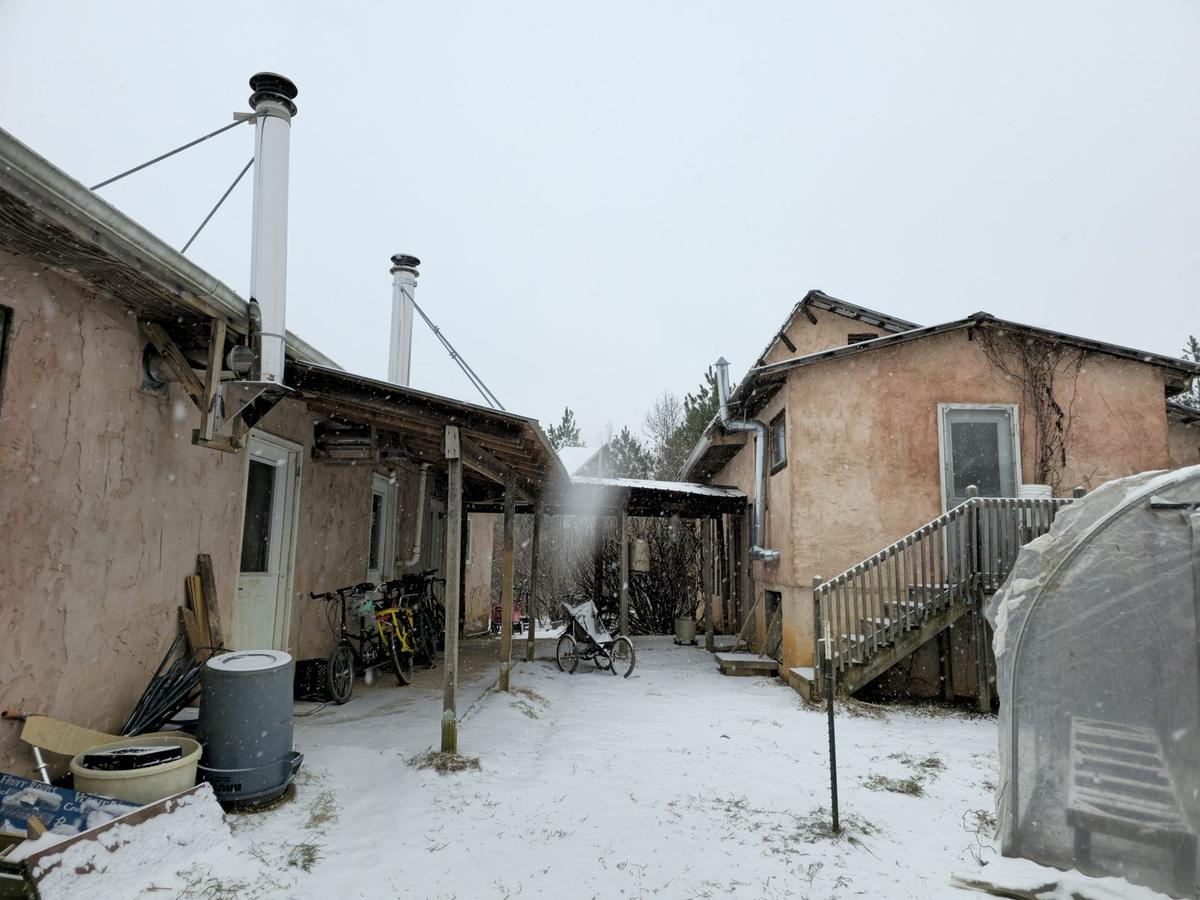
The film begins at Temple Forest, a six-person community in Delridge, Seattle, where I live. I lived at Twin Oaks in 2023 and at Living Energy Farm in 2025, so the film arrives in Virginia through people I know.
Nobody else in the film is named here. Households are private by default, each person decides how they are identified, and everyone sees the material about them before any cut leaves the edit.
Where it stands
- A five-minute draft cut, filmed at Living Energy Farm in 2025.
- Development funding, applied for in August 2026.
- Development: agreements with the people in it, a short sample from Seattle and Virginia, and permits abroad.
- Filming in Seattle across the seasons, then Virginia and Washington DC, planned for 2027.
- Bhutan and Ecuador, two weeks each, only once local partners and filming permits are in place.
The second film
This film visits places that already exist. The second follows one that does not exist yet: a district built in stages, from one household’s practice to clusters of homes, filmed as each stage passes or fails its test.
The same rules hold for both films. Failures stay in the cut, and I am one participant under the same consent rules as everyone else.